

The Quiet Power of Prompt-Led Hospitality
The most effective hospitality doesn’t announce itself.
When service is well-timed, emotionally accurate, and delivered with composure, guests don’t notice the system behind it — they simply feel at ease. Prompt-led hospitality creates this effect by prioritizing interpretation over reaction, and judgment over automation.
This article explores why the future of hospitality belongs to systems that listen first — and how quiet, well-designed restraint becomes the most powerful form of service.
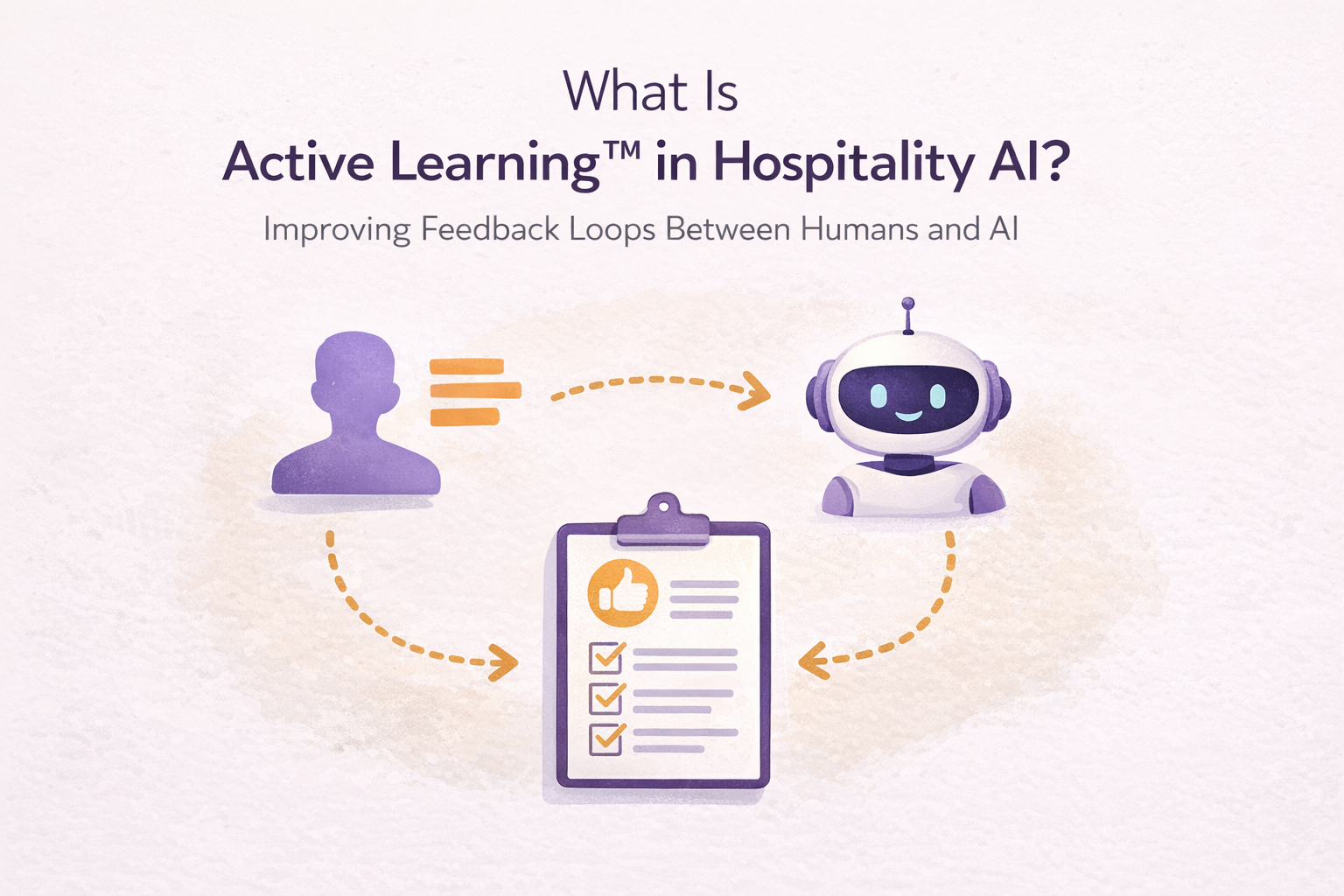
Prompt-Based Communication vs Scripts and Automation: What’s the Difference?
Scripts break the moment a guest says something unexpected. Prompt-led hospitality scales because it protects tone, timing, and judgment—without forcing teams to sound robotic. This post explains why prompts outperform scripts and how to build communication that stays consistent under pressure.

Why Scripts Fail and Prompts Scale in Hospitality
Scripts promise consistency, but hospitality depends on judgment.
In real guest interactions, rigid scripts often collapse under nuance — forcing teams to choose between sounding human and following instructions. Prompts work differently. They support thinking, adapt to context, and scale emotional intelligence without flattening personality.
This article explores why scripts fail in modern hospitality — and how prompt-led systems help teams deliver consistent, confident service without losing the human touch.
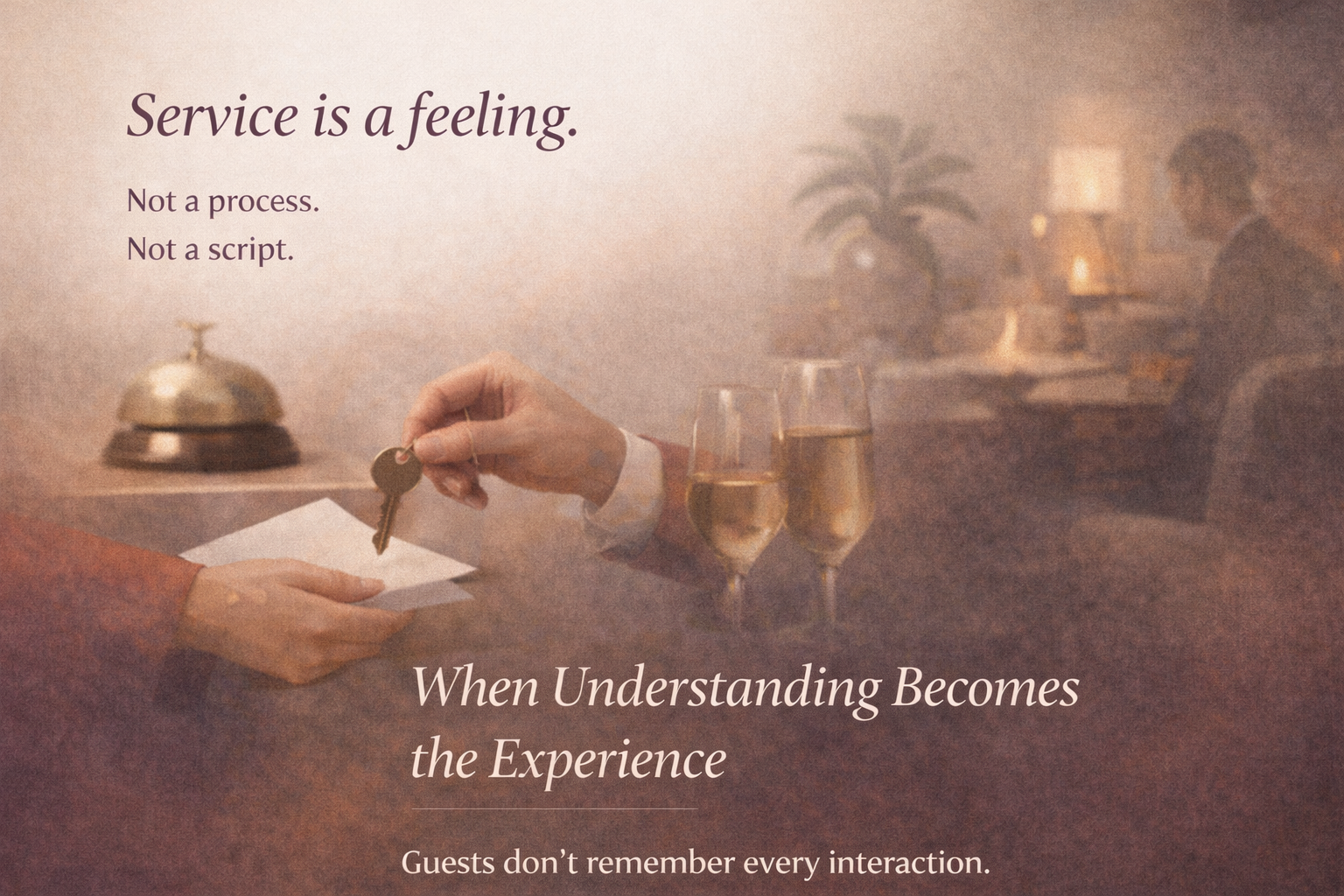
Service Is a Feeling
Service is not a process or a script - it’s a feeling. When guests feel understood and heard, value shifts, trust deepens, and premium experiences begin to make sense.

Prompt-Led Hospitality vs Automation: What’s the Difference?
Automation is built to act quickly.
Hospitality is built to act appropriately.
As hotels adopt more automated systems, guest communication becomes faster — but not always more thoughtful. Messages are triggered, offers are pushed, and responses arrive on time, yet something essential is lost: judgment.
This article explores why prompt-led hospitality is fundamentally different from automation — and why listening, restraint, and human interpretation matter more than speed in creating guest experiences that feel composed rather than processed.

Prompt-Led Hospitality: Designing Guest Experiences That Listen First
Hospitality doesn’t fail because teams stop caring.
It fails when systems respond before anyone has truly listened.
Prompt-Led Hospitality™ is a human-first operating model that helps teams interpret moments before they act — ensuring every message, offer, and response arrives with clarity, timing, and composure. It replaces reactive automation with intentional judgment, so guests feel understood rather than managed.
Because in hospitality, the most powerful response is often knowing when not to speak.