
Prompt-Led Hospitality: Why Review Responses Matter More Than Ever
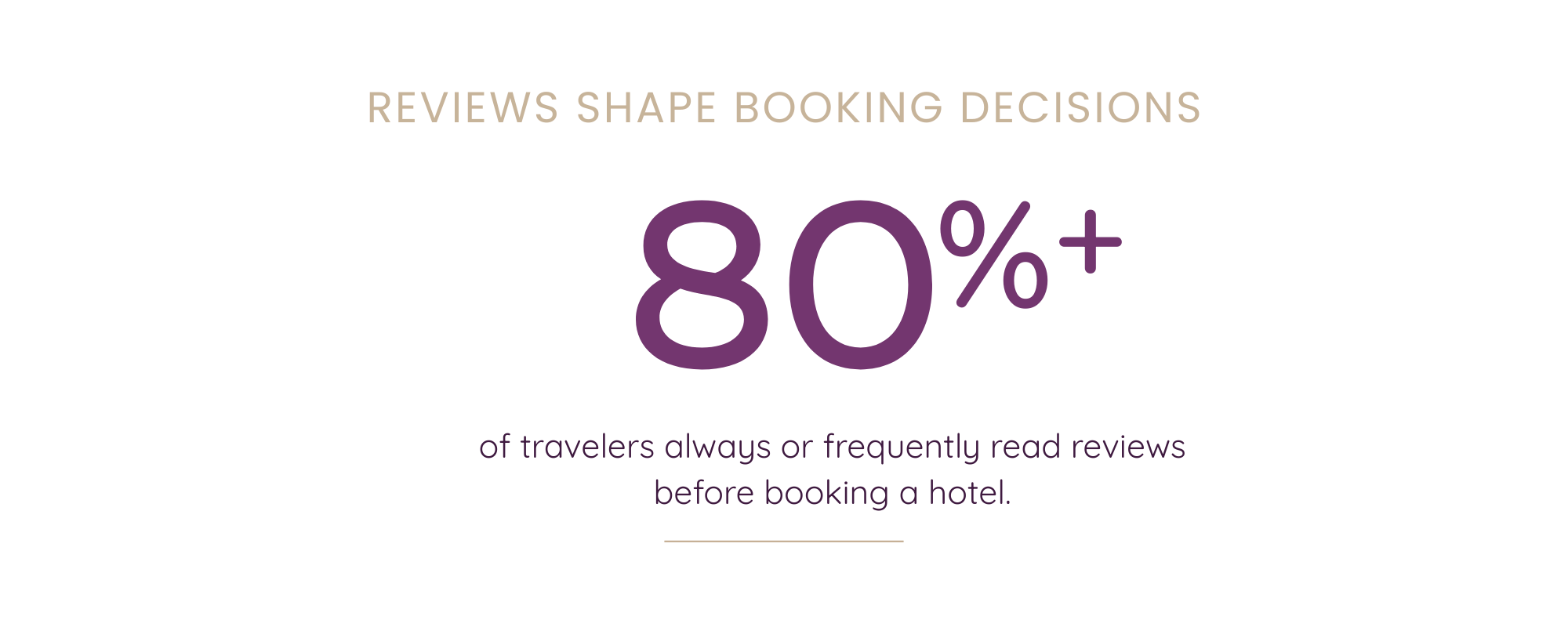
In today’s hospitality landscape, reviews don’t just reflect guest experiences — they shape them. With more than 80% of travelers regularly reading reviews before booking, how a hotel responds is just as influential as the review itself. Prompt-led hospitality transforms review responses into moments of care, clarity, and trust — extending the guest journey long after checkout.

The Quiet Power of Prompt-Led Hospitality
The most effective hospitality doesn’t announce itself.
When service is well-timed, emotionally accurate, and delivered with composure, guests don’t notice the system behind it — they simply feel at ease. Prompt-led hospitality creates this effect by prioritizing interpretation over reaction, and judgment over automation.
This article explores why the future of hospitality belongs to systems that listen first — and how quiet, well-designed restraint becomes the most powerful form of service.

Why One Guest-Facing Intelligence Beats Five Disconnected Tools
More tools don’t create better hospitality. They create more noise.
As guest communication becomes distributed across platforms, consistency erodes. Tone shifts, timing fractures, and trust weakens — not because teams aren’t capable, but because the system asks them to speak in too many voices. A single guest-facing intelligence restores clarity by unifying delivery without flattening judgment.
This article explores why consolidation isn’t about efficiency — it’s about composure, confidence, and giving guests one steady experience instead of many fragmented ones.
Designing Human Hospitality at Scale With Prompt Systems
Scaling hospitality doesn’t require sacrificing humanity — it requires protecting it.
As teams grow, shifts rotate, and properties expand, guest experience often becomes fragmented. Prompt-led systems solve this not by automating service, but by supporting judgment consistently across people, moments, and locations.
This article explores how prompt systems make human hospitality scalable — ensuring presence, timing, and composure remain intact no matter how large the operation becomes.

Why Emotional Prompts Matter More Than Templates in Guest Feedback
Templates promise consistency, but guest feedback is rarely consistent.
When responses are shaped by scripts instead of understanding, even well-intentioned replies can feel dismissive or impersonal. Emotional prompts work differently. They help teams interpret tone, weight, and intent before responding — so acknowledgment feels genuine rather than procedural.
This article explores why emotional intelligence can’t be templated, and how prompt-led recovery helps hospitality teams respond to feedback with care, clarity, and composure.

Prompt-Led Recovery: Responding to Guests Without Defensiveness
Most guest recovery fails not because teams don’t respond — but because they respond defensively.
In moments of disappointment, guests aren’t looking for explanations or policy references. They’re looking for acknowledgment. Prompt-led recovery helps teams interpret emotional context before replying, so responses feel grounded, human, and composed.
This article explores how KindReply Studio supports recovery without defensiveness — turning feedback into reassurance and moments of friction into opportunities for trust.

How Prompt-Led Hospitality Creates Revenue Without Pressure
Pressure is rarely what drives revenue in hospitality. Trust is.
When guests feel understood, value doesn’t need to be sold — it’s accepted naturally. Prompt-led hospitality creates revenue by helping teams recognize readiness, respect timing, and introduce options without expectation.
This article explores how revenue becomes a byproduct of alignment rather than persuasion — and why the most sustainable hospitality growth comes from restraint, not urgency.

When an Offer Feels Like Service: Prompting Value Without Pressure
The difference between an upsell and a service moment isn’t the offer — it’s the pressure behind it.
In hospitality, value only feels valuable when it’s introduced with restraint. Prompt-led systems help teams recognize when a guest is open to possibility, and when they simply want space. By prompting readiness instead of pushing conversion, offers feel supportive rather than transactional.
This article explores how hospitality teams can introduce value in a way that feels generous, optional, and aligned — so guests experience service, not sales.

Prompt-Led Revenue: Why the Best Offers Don’t Feel Like Upsells
Guests don’t resist offers — they resist pressure.
In hospitality, the most effective revenue doesn’t feel like selling at all. It feels like service, introduced at the right moment and left entirely optional. Prompt-led revenue helps teams interpret readiness before making an offer, so value feels aligned rather than agenda-driven.
This article explores why the best offers are quiet, well-timed, and rooted in understanding — and how prompt-led systems turn revenue into a natural extension of care.

Why Timing Matters More Than Speed in Guest Communication
Fast responses don’t always feel attentive. Sometimes, they feel rushed.
In hospitality, timing matters more than speed. Messages that arrive too quickly can interrupt settled moments, while responses delivered with intention feel calm and considered. Prompt-led guest communication helps teams pause, interpret context, and respond only when the moment truly calls for it.
This article explores why restraint builds trust — and how well-timed communication creates guest experiences that feel confident rather than reactive.

From Silence to Signal: Using Journey Prompts to Anticipate Needs
Silence is often mistaken for disengagement. In hospitality, it’s more often a sign of comfort.
Journey prompts help teams pause before reacting — interpreting quiet moments as information rather than gaps to fill. By learning when silence signals ease, curiosity, or hesitation, teams can anticipate needs without interrupting the guest experience.
This article explores how prompt-led guest journeys turn observation into insight, allowing hospitality teams to respond with confidence, timing, and restraint — only when something truly needs to be said.

Prompt-Led Guest Journeys: How Kairo Knows When to Speak
Great guest journeys aren’t defined by how often you communicate — but by when you choose to speak.
In hospitality, mistimed messages disrupt more than silence ever could. Prompt-led guest journeys help teams interpret where a guest truly is before responding, so communication feels considered rather than automatic.
This article explores how journey interpretation, restraint, and human judgment allow Kairo to deliver the right message at the right moment — and just as importantly, to wait when nothing needs to be said.

Listening Is a System: The Rise of Prompt-Led Guest Experience
Listening has always mattered in hospitality. What’s changed is the scale.
As teams grow, shifts rotate, and communication multiplies, listening can no longer rely on instinct alone. It needs structure. Prompt-led guest experience turns listening into a shared system — one that helps teams interpret silence, recognize readiness, and respond with consistency and care.
Because the most meaningful hospitality moments begin long before anyone speaks.

Why Scripts Fail and Prompts Scale in Hospitality
Scripts promise consistency, but hospitality depends on judgment.
In real guest interactions, rigid scripts often collapse under nuance — forcing teams to choose between sounding human and following instructions. Prompts work differently. They support thinking, adapt to context, and scale emotional intelligence without flattening personality.
This article explores why scripts fail in modern hospitality — and how prompt-led systems help teams deliver consistent, confident service without losing the human touch.
Service Is a Feeling
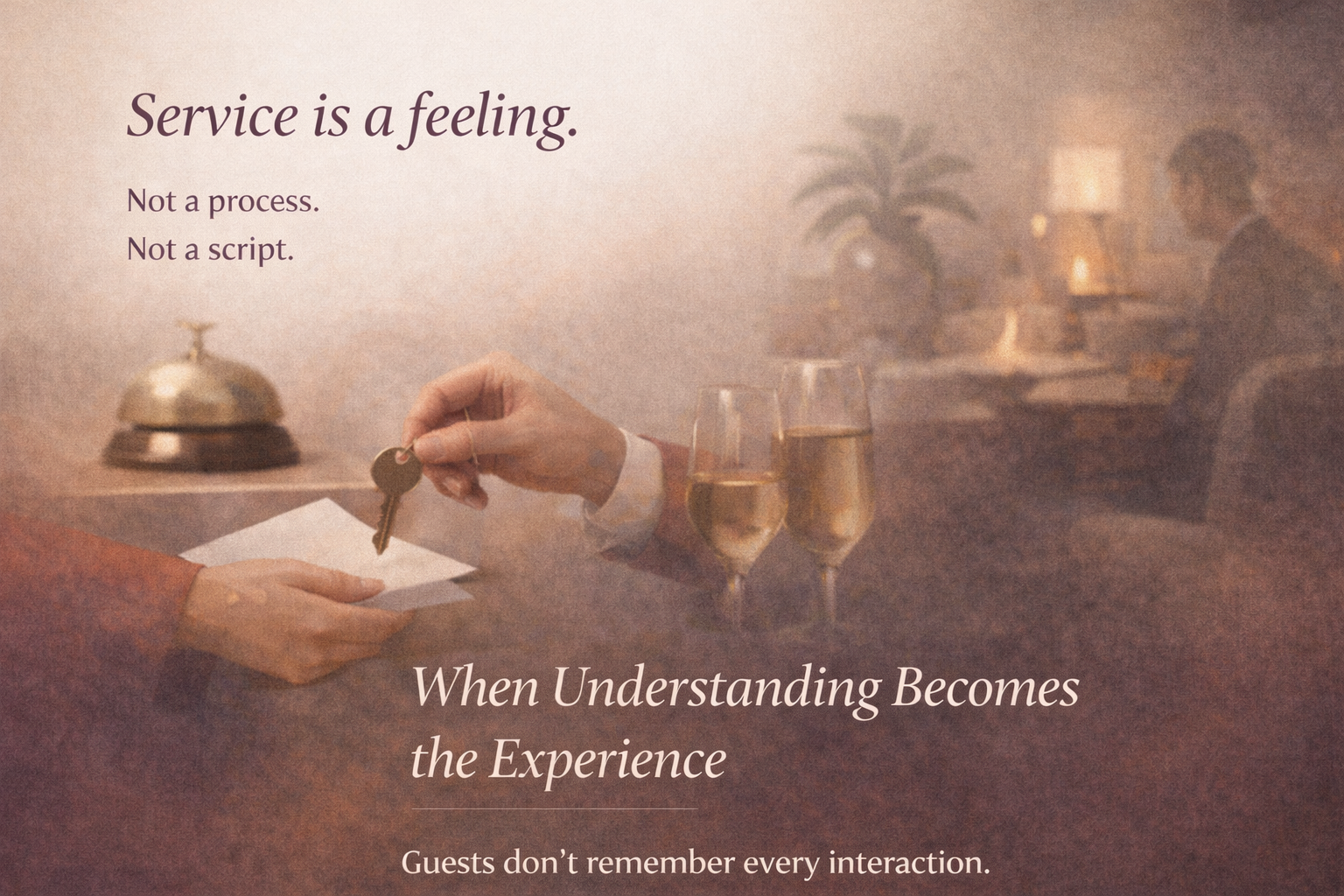
Service is not a process or a script - it’s a feeling. When guests feel understood and heard, value shifts, trust deepens, and premium experiences begin to make sense.

Prompt-Led Hospitality vs Automation: What’s the Difference?
Automation is built to act quickly.
Hospitality is built to act appropriately.
As hotels adopt more automated systems, guest communication becomes faster — but not always more thoughtful. Messages are triggered, offers are pushed, and responses arrive on time, yet something essential is lost: judgment.
This article explores why prompt-led hospitality is fundamentally different from automation — and why listening, restraint, and human interpretation matter more than speed in creating guest experiences that feel composed rather than processed.

Prompt-Led Hospitality: Designing Guest Experiences That Listen First
Hospitality doesn’t fail because teams stop caring.
It fails when systems respond before anyone has truly listened.
Prompt-Led Hospitality™ is a human-first operating model that helps teams interpret moments before they act — ensuring every message, offer, and response arrives with clarity, timing, and composure. It replaces reactive automation with intentional judgment, so guests feel understood rather than managed.
Because in hospitality, the most powerful response is often knowing when not to speak.